The Importance of Nutrition in Elderly Care Homes: A 2026 Guide
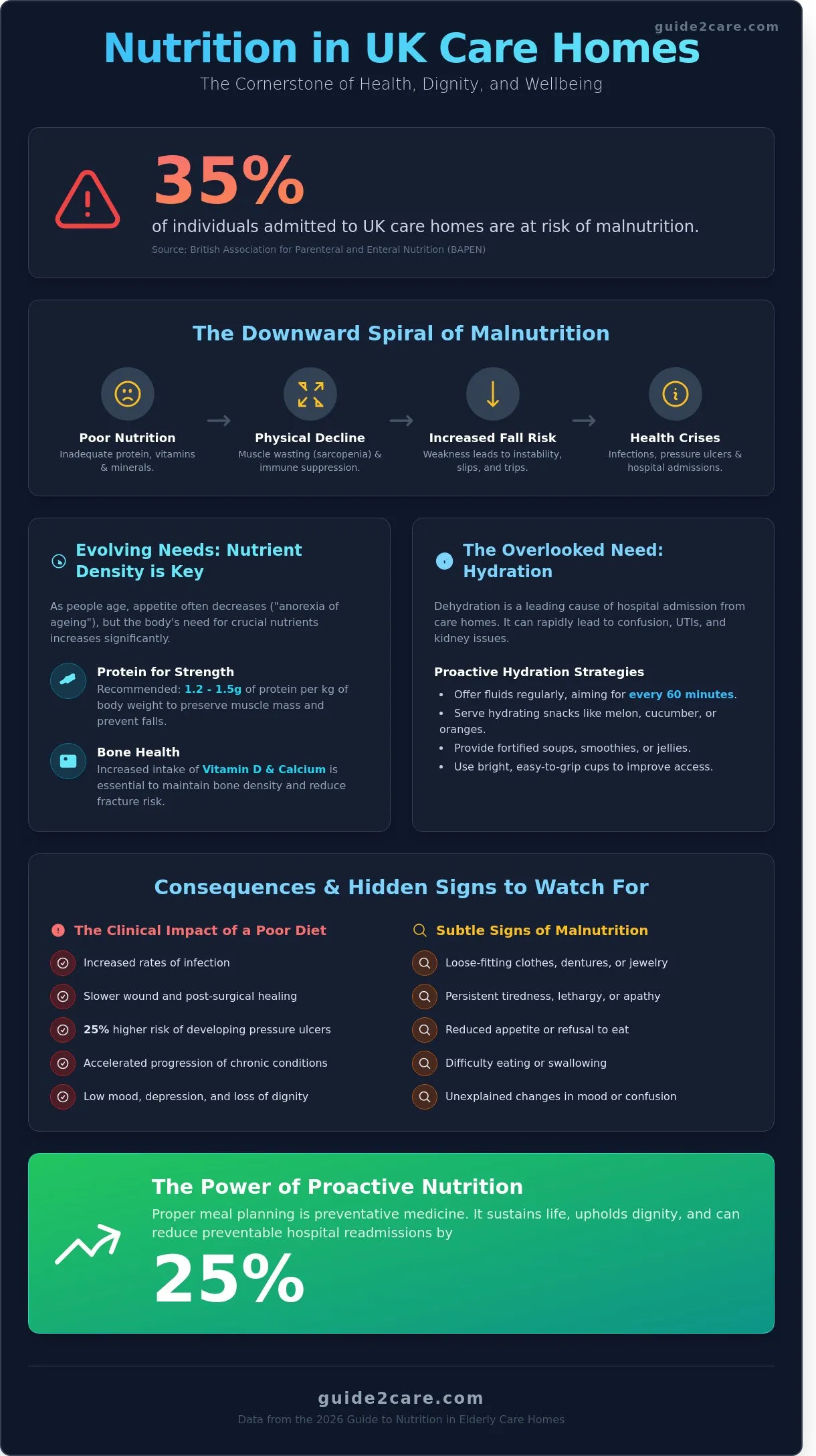
According to the British Association for Parenteral and Enteral Nutrition (BAPEN), 35% of people admitted to UK care homes are at risk of malnutrition. This data shows why food quality must be a priority when you evaluate potential providers. You want to ensure your loved one receives balanced meals that support their physical and mental health. Understanding the importance of nutrition in elderly care homes is vital for anyone searching for a safe and supportive residential environment.
It's common to feel overwhelmed by CQC food standards or worried about managing nutrition for residents with dementia. This 2026 guide explains why tailored nutrition is the cornerstone of quality care and how to identify providers that put health first. You'll learn to recognise the subtle signs of malnutrition and discover the exact questions to ask care managers during a tour. Use this information to find the care you need with confidence and clarity.
Key Takeaways
- Understand the clinical importance of nutrition in elderly care homes and how dietary requirements evolve as residents age.
- Identify the physical and mental indicators of malnutrition to ensure chronic conditions are managed effectively within a care setting.
- Review the CQC Fundamental Standards and Regulation 14 requirements that every UK care provider must meet regarding food and hydration.
- Learn how to evaluate a provider’s dining culture and catering standards using specific observations and questions during your visit.
Understanding the Fundamental Role of Nutrition in Elderly Care
Nutrition is a core clinical priority in the UK care sector. The Care Quality Commission (CQC) monitors Regulation 14 to ensure every resident receives adequate food and drink. Understanding the importance of nutrition in elderly care homes is vital because poor dietary intake leads to immediate health decline. Proper meal planning acts as preventative medicine. It can reduce hospital readmissions by 25% in residential settings.
Care providers must recognize that The Physical and Mental Consequences of Poor Nutrition include increased infection rates and slower wound healing. A balanced diet supports the immune system and maintains skin integrity, which is essential for residents at risk of pressure sores. Nutrition isn't just about meals; it's a clinical intervention that sustains life and dignity.
To better understand how nutrition impacts daily life in a residential setting, watch this video from the Social Care Institute for Excellence:
The Biological Shift: Why Nutrient Density Matters
As people age, their bodies change. The "anorexia of ageing" affects approximately 25% of seniors, leading to a natural decline in appetite. However, the need for specific nutrients increases. Residents require higher levels of Vitamin D and Calcium to maintain bone density. Protein is essential. Consuming 1.2 to 1.5 grams of protein per kilogram of body weight helps preserve muscle mass. This prevents falls, which account for 40% of injury-related deaths in those over 75. Care homes must focus on nutrient density rather than just portion size.
Hydration: The Often Overlooked Component
Hydration is a critical element of the importance of nutrition in elderly care homes. Thirst signals weaken as we age. Dehydration is a leading cause of hospital admission for care home residents. Low fluid intake correlates with urinary tract infections (UTIs) and increased confusion. Care staff should offer fluids every 60 minutes. Use these creative methods to encourage intake:
- Serve hydrating snacks like melon or cucumber.
- Offer fortified soups or jellies.
- Provide bright, easy-to-grip cups to improve visibility and access.
Proactive hydration maintains cognitive function and physical stability. It's a simple step that prevents complex medical issues.
The Physical and Mental Consequences of Poor Nutrition
Poor nutrition triggers a rapid decline in both physical strength and mental clarity. It's a clinical issue that care teams must manage daily to prevent avoidable health crises. The importance of nutrition in elderly care homes becomes clear when observing how quickly deficiencies affect mobility. Hidden signs of malnutrition include loose-fitting jewelry, ill-fitting dentures, or persistent lethargy. These indicators often appear before significant weight loss is visible on a scale.
A poor diet accelerates the progression of chronic conditions like Type 2 diabetes and heart disease. Statistics from 2024 indicate that protein deficiency increases the risk of developing pressure ulcers by 25%. Without adequate vitamins and minerals, the immune system cannot fight off routine infections. This leads to a cycle of illness and prolonged recovery times. Care providers must adhere to the UK Care Home Food Standards and Regulatory Expectations to prevent these complications and maintain resident safety.
The emotional impact of food is equally significant. When residents lose control over their dietary choices, they often experience a loss of dignity and a sense of powerlessness. This can lead to low mood or a total refusal to eat. Understanding the importance of nutrition in elderly care homes is essential for families evaluating potential residences. Providing varied, high-quality meals helps maintain a resident's sense of self. You can find the care you need by searching for homes that prioritize bespoke meal planning and resident preferences.
Malnutrition and the Risk of Falls
Muscle wasting, known as sarcopenia, is a direct result of inadequate protein intake. It weakens the core and legs, making trips and slips far more frequent. Approximately 33% of residents entering care are already at risk of malnutrition. Staff use the Malnutrition Universal Screening Tool (MUST) to monitor weight and BMI. This 5-step process allows for early intervention, such as introducing fortified foods or supplements to prevent hospital admissions after a fall.
Nutrition and Cognitive Health
Blood sugar stability is vital for managing mood and behavior, particularly in residents with vascular dementia. Frequent spikes and crashes can cause increased confusion or agitation. For residents with coordination difficulties, "finger foods" are an effective solution. Serving items like small sandwiches or vegetable sticks allows individuals to eat independently. This simple adjustment preserves dignity and ensures they receive the calories they need without the frustration of using heavy cutlery.
Meeting UK Care Home Food Standards and Regulatory Expectations
The Care Quality Commission (CQC) enforces strict rules regarding the importance of nutrition in elderly care homes through Regulation 14 of the Health and Social Care Act 2008. This regulation dictates that all residents must receive suitable and nutritious food and hydration to maintain their health. Providers who fail to meet these standards face enforcement actions, including fines or rating downgrades. The Food Standards Agency (FSA) classifies care home kitchens as "high risk" settings because they serve vulnerable populations. This classification requires a 5-star hygiene rating and a clear Hazard Analysis and Critical Control Point (HACCP) plan to ensure safety.
To meet these benchmarks, many providers use the British Dietetic Association (BDA) Nutrition and Hydration Digest. This document serves as the primary technical guide for care home catering. It ensures that menus meet the minimum 2,000 kcal and 75g protein requirements for nutritionally vulnerable adults. Following these guidelines helps managers prove their service is "Effective" during inspections.
CQC Inspections: What Inspectors Look For
Inspectors evaluate the dining experience using the 2024 CQC assessment framework. They check if residents have access to drinks 24 hours a day. During an inspection, an official will observe whether staff provide discreet, dignified assistance to those with dysphagia. They also look for:
- Updated nutritional care plans reflecting individual preferences and allergies.
- Evidence of choice, even for residents on texture-modified or "pureed" diets.
- Availability of snacks outside of scheduled 8:00 AM, 12:30 PM, and 5:30 PM meal slots.
Professional Standards for Care Staff
Staff must complete mandatory training in food hygiene and nutritional screening. Most homes use the Malnutrition Universal Screening Tool (MUST) to identify at-risk residents. Accurate record-keeping is vital. Caregivers must update fluid and food intake charts in real-time to prevent dehydration and weight loss. Effective care requires collaboration with external specialists. If a resident struggles to swallow, staff must consult Speech and Language Therapists (SALT) within 24 to 48 hours. GPs are brought in when a resident's Body Mass Index (BMI) drops below 18.5. This structured approach highlights the importance of nutrition in elderly care homes as a clinical priority rather than just a catering task.
While the priority in care homes is often preventing weight loss, many adults in the wider community seek clinical support for weight management. For an example of a UK-based, clinically-supported medical weight loss program, you can click here.
Practical Strategies for Maintaining Hydration and Dietary Intake
Effective care delivery requires actionable tactics. The importance of nutrition in elderly care homes is most evident during daily meal times. Managers should create social dining spaces that encourage interaction between residents. Research indicates that communal eating can increase caloric intake by up to 15% compared to isolated dining. This social stimulation often triggers a natural appetite response and reduces the risk of loneliness during meals.
Texture modification is a vital safety requirement for many residents. Use the IDDSI (International Dysphagia Diet Standardisation Initiative) framework to categorize food and drink from Level 0 (Thin) to Level 7 (Regular). This system protects the 40% of residents who typically experience some form of dysphagia in a care setting. Staff can also fortify favourite foods by adding high-calorie ingredients like full-fat cream, butter, or protein powder. This increases energy density without overwhelming the resident with large portions. Organising monthly themed food events, such as "Seaside Fish and Chips" or "Traditional Sunday Roast," also helps stimulate interest in eating through sensory nostalgia and variety.
Person-Centred Meal Planning
Care homes must respect individual backgrounds to ensure high engagement with food. Incorporate specific religious, cultural, and personal favourite dishes into the standard menu rotation. Use "show plates" to present two physical meal options at the table. This visual aid helps residents with cognitive decline make a choice based on sight and smell rather than relying on memory or written menus. Implement flexible mealtimes to accommodate individual routines. If a resident sleeps until 10:00, they should receive a hot breakfast rather than being forced to wait for the lunch service.
Using Technology to Monitor Nutrition
Modern facilities now use digital care records for real-time tracking of dietary health. These systems allow carers to log fluid and food intake immediately on handheld devices, reducing the risk of paper-based errors. Smart hydration systems, including sensor-integrated cups, can alert staff if a resident hasn't consumed fluids for three hours. Analysing these data trends allows teams to spot a 3% to 5% weight loss before it becomes a clinical emergency. Understanding the importance of nutrition in elderly care homes means using every tool available to maintain health. Find the care you need by exploring providers that use these advanced monitoring technologies.
How to Evaluate Nutrition When Choosing a Care Provider
Selecting a residential facility requires a thorough assessment of their catering standards. The importance of nutrition in elderly care homes is reflected in how a provider manages daily meal service and clinical dietary requirements. Start by interviewing the registered manager about their catering team's qualifications. Ask if the head chef holds a Level 3 Award in Food Safety. You should also confirm if the home follows the 2024 CQC focus on person-centered nutritional care.
Review the four-week rolling menu to check for variety. A high-quality provider ensures that 100% of meals are cooked on-site using fresh ingredients. Look for specific details in the menus:
- Evidence of seasonal fruit and vegetables.
- At least two hot meal choices for every lunch and dinner service.
- Fortified snack options for residents with low BMIs.
- Clear labelling for allergens and texture-modified diets.
Verify that the home consults a registered dietitian at least once every 12 months. This ensures the caloric and micronutrient content meets the needs of older adults. Don't hesitate to ask about the daily food budget per resident. While figures vary, transparency here indicates a well-managed kitchen.
The "Dining Room Test" for Families
Visit the facility during the midday meal to observe the environment. The atmosphere should be calm and social, not rushed or chaotic. Check if staff members sit down when assisting residents with their meals. This practice maintains eye contact and promotes dignity. Observe the food presentation directly. Pureed meals must be piped or moulded to resemble the original food items. This technique improves appetite and intake for the 15% to 30% of residents typically living with dysphagia in UK care settings.
Assessing Transparency and Communication
A reliable provider uses clear systems to monitor nutritional health. Ask to see the latest CQC inspection report, focusing on the "Effective" and "Caring" domains. These sections highlight how the home manages hydration and malnutrition risks. Many modern homes now use electronic care planning software. This allows staff to record fluid and food intake in real-time. Ask if you can access these records during regular family reviews.
Find the care you need by filtering for specialised dietary support on our platform. Use the Guide2Care directory to compare the ratings of providers in your local area. Explore Guide2Care to view detailed profiles and inspection summaries for homes across the UK. Select a provider that prioritises clinical nutrition as a core part of their care delivery.
While the specifics of CQC regulations are UK-based, the principles of high-quality, person-centred care are universal. For an excellent example of a service provider that champions these standards, you can check out Im with you. Seeing how high-quality providers operate can offer a helpful benchmark for what to look for, regardless of location.
Securing High Nutritional Standards for 2026
Prioritising dietary health is a critical step in ensuring long-term wellbeing for residents. Research from BAPEN indicates that 33% of adults entering UK care settings are at risk of malnutrition. Understanding the importance of nutrition in elderly care homes helps families identify providers that strictly follow CQC Regulation 14 requirements. Proper dietary management reduces hospital admissions and improves cognitive function for those living with dementia. You'll find that the best providers integrate hydration and nutrition into every part of the daily routine to maintain health standards.
Selecting the right environment requires clear information and reliable data. Find the care you need with our comprehensive UK directory. Our platform allows you to search thousands of CQC-rated care providers across the UK. You can filter by specific care types including dementia and nursing care to ensure all medical and dietary needs are met. Use our expert resources on funding and choosing the right care home to make an informed decision. Start your search today to secure the high-quality care your family requires.
Frequently Asked Questions
What are the CQC standards for food in care homes?
The Care Quality Commission (CQC) enforces Regulation 14 to ensure residents receive adequate nutrition and hydration. Care providers must offer a choice of food and drink that meets individual religious and cultural requirements. Inspectors look for evidence that meals are nutritious, appetizing, and served in a way that supports independence. This regulation requires homes to provide support for those who can't feed themselves independently.
How do care homes identify if a resident is malnourished?
Care homes identify malnutrition by monitoring physical indicators like loose-fitting clothing or unintentional weight loss of 5% to 10% over three to six months. Staff also look for clinical signs including delayed wound healing and reduced muscle strength. To maintain the importance of nutrition in elderly care homes, regular screenings ensure that nutritional risks are caught before they lead to serious health complications.
Can a resident choose what they want to eat in a care home?
Residents have a legal right under CQC Regulation 14 to choose what they eat and drink. Care homes typically offer two or three main meal options daily and provide alternatives if the primary menu doesn't suit a resident's preference. Kitchen staff keep records of individual likes, dislikes, and dietary requirements to ensure every meal served aligns with personal choice and maintains dignity during mealtimes.
What happens if a resident has difficulty swallowing?
Staff follow the International Dysphagia Diet Standardisation Initiative (IDDSI) framework to provide texture-modified foods for residents with swallowing difficulties. Speech and Language Therapists (SLTs) assess the resident and assign a specific level from 0 to 7, ranging from thin liquids to regular easy-to-chew foods. This system ensures that meals are safe to consume while providing essential calories and preventing aspiration or choking incidents.
How do care homes manage hydration for residents with dementia?
Care homes manage hydration for residents with dementia by using visual cues like brightly colored cups and offering high-water-content snacks such as melon or jelly drops. Research indicates that up to 20% of residents with dementia struggle to recognize thirst. Staff maintain 24-hour fluid balance charts to track intake and ensure residents reach their daily target of 1.5 to 2 liters.
Are specialist diets like vegan or gluten-free catered for in care homes?
Care homes must cater to specialist diets including vegan, gluten-free, and halal as part of their duty under the Equality Act 2010. Chefs receive specific training to prevent cross-contamination in the kitchen and use fortified ingredients to maintain nutrient density. Highlighting the importance of nutrition in elderly care homes, these tailored menus ensure that residents' ethical, religious, and medical dietary needs are fully met.
This focus on ethical and clean choices extends beyond diet into other areas of personal care that support resident dignity. For those who prefer beauty products aligned with these values, you can visit Convié to explore their range of clean, vegan, and cruelty-free cosmetics.
How often should a resident’s weight be monitored?
Residents should have their weight monitored at least once a month to track their overall health status. If a resident is identified as high risk by the MUST screening tool, staff increase this frequency to once every week. This data allows care teams to adjust meal plans or refer the resident to a dietitian if they observe a weight change of 2kg or more within a single month.
What is the "MUST" tool used by UK care providers?
The "MUST" tool is the Malnutrition Universal Screening Tool, a five-step clinical framework developed by BAPEN to identify adults at risk of malnutrition. It calculates a risk score based on Body Mass Index (BMI), recent weight loss, and the effect of acute disease on intake. UK care providers use this 0 to 2+ scoring system to determine if a resident needs a specific nutritional care plan.