Engaging Activities for Residents in Care Homes: A Comprehensive 2026 Guide
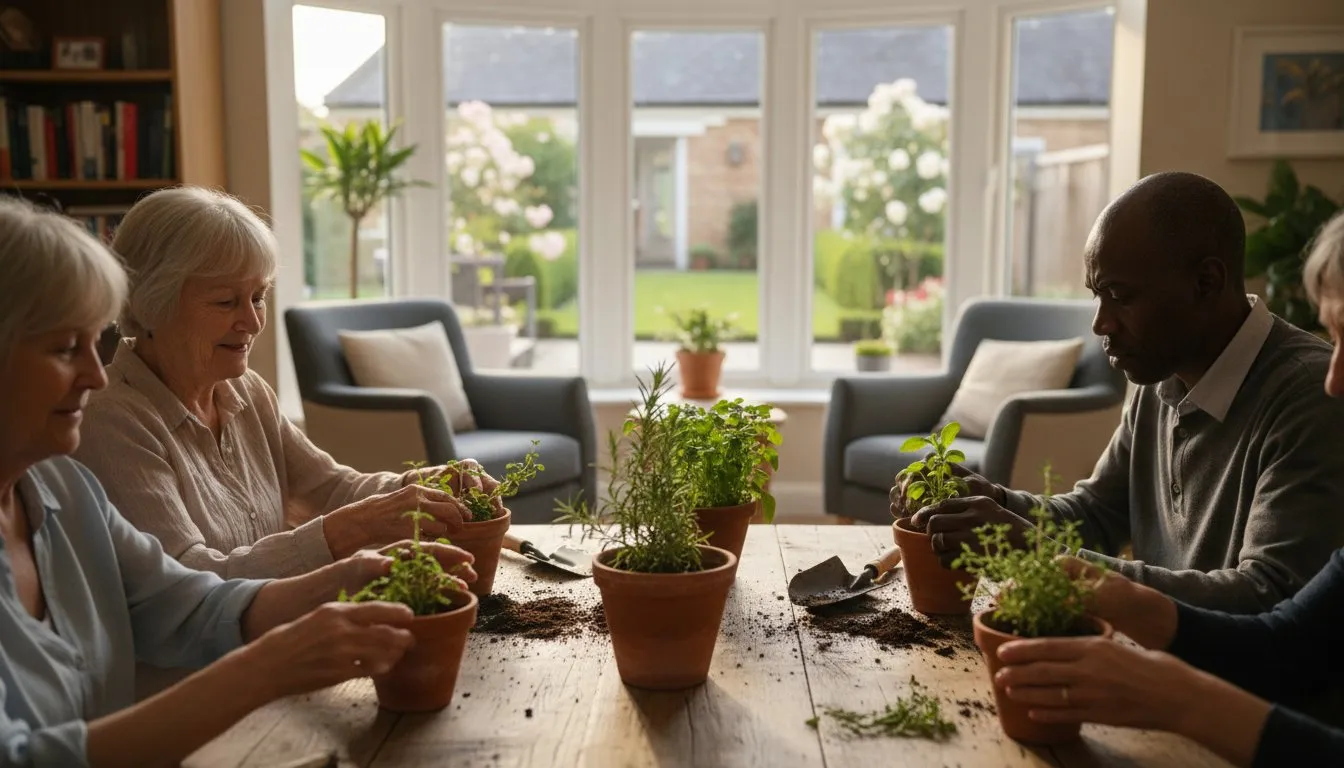
What if the difference between a 'Requires Improvement' and an 'Outstanding' CQC rating lies in how your facility manages the hour between 2:00 PM and 3:00 PM? Standardised schedules often lead to resident withdrawal. Finding high-quality activities for residents in care homes remains a significant challenge for 68% of UK activity coordinators. You likely recognise that repetitive or 'childish' tasks don't respect the dignity of your residents. They fail to provide the mental stimulation required for a high quality of life.
It's difficult to offer varied programmes when budgets are tight. This guide provides a practical framework to transform your daily schedule. You'll find creative, physical, and dementia-friendly ideas designed to enhance resident wellbeing. We'll explore specific strategies for 2026 that ensure every resident finds purpose in their day. Use these tools to improve mental health scores and secure positive feedback from families and inspectors alike.
Key Takeaways
- Understand how meaningful social engagement reduces rates of depression and provides residents with a clear sense of purpose.
- Explore a variety of physical and cognitive activities for residents in care homes, including seated yoga and themed quizzes.
- Discover specialised dementia-friendly techniques, such as Reminiscence Therapy and sensory stimulation, to support residents with memory loss.
- Learn how to overcome staffing and budget barriers by integrating activity into daily routines and recruiting local volunteers.
- Identify the specific indicators of a vibrant activity culture to look for when visiting and assessing potential residential care homes.
The Vital Role of Meaningful Activity in Residential Care
Meaningful activity refers to any task or interaction that provides a resident with a sense of purpose, identity, or joy. It's not simply a way to pass the time between meals. For many families, understanding What is a Nursing Home? helps clarify that these facilities are domestic environments where life must continue with dignity. Effective activities for residents in care homes are now a core component of daily operations rather than an optional extra.
To better understand how these programmes impact daily life, watch this helpful video:
The Care Quality Commission (CQC) uses the quality of social engagement as a key metric during inspections. Data from 2023 indicates that homes rated 'Outstanding' almost always demonstrate a person-centred approach to leisure. This means moving away from a one-size-fits-all schedule. Providers now use 80-year life histories to create bespoke plans. If a resident spent their career as a librarian, their care plan might include organising the home’s small library to maintain their sense of professional identity.
Physical and Mental Health Benefits
Gentle movement is a clinical necessity. NHS records show that regular seated exercise sessions can reduce the risk of falls by 20% in residents over the age of 75. These activities for residents in care homes also include cognitive stimulation. Puzzles and memory boxes help slow the progression of memory loss by keeping neural pathways active. Maintaining fine motor skills through crafts or gardening ensures residents keep their independence for longer, allowing them to perform basic tasks like buttoning a shirt without assistance.
Social Connection and Combating Loneliness
Isolation remains a significant risk in residential settings. Research suggests that high levels of social engagement can reduce depression rates by 30% among elderly populations. Care teams work to eliminate boredom, loneliness, and helplessness by fostering community. Intergenerational projects are particularly effective. Weekly visits from local primary schools or nurseries provide residents with a renewed sense of social value. Shared hobbies, such as communal gardening or choir groups, help residents build friendships based on mutual interests rather than just shared proximity.
Creative and Physical Activity Ideas for Every Ability
Effective care programmes integrate diverse physical and mental tasks. Using varied activities for residents in care homes maintains mobility and cognitive function. Seated yoga sessions lasting 20 minutes improve joint flexibility without risking falls. Balloon tennis offers low-impact cardiovascular exercise; indoor bowls encourages healthy social competition. These games adapt easily to different mobility levels and require minimal equipment.
Cognitive stimulation remains a priority for mental health. Themed quizzes and word games keep the mind active and alert. 'Higher or lower' card games provide simple but effective engagement for groups. Digital tools also play a significant role. When selecting devices like tablets for virtual travel or video calls, publications such as SuggestMeTech can help you compare options. Research indicates that regular digital engagement can reduce feelings of isolation for the 40% of residents who may lack frequent visitors. You can explore care options that prioritise these modern engagement methods to ensure social connectivity.
Of course, virtual experiences are a supplement to, not a replacement for, real-world outings. Many care homes encourage family-led trips to local beauty spots or former neighbourhoods. This principle of enabling personal journeys is universal; for example, in tourism hubs, it's common for visitors to explore Daily Car Rental to create special, memorable days for their relatives.
Gentle Exercise and Movement
Focus on flexibility and core strength through structured seated routines. These exercises provide a safe way to maintain muscle tone and balance. Gardening in sensory outdoor spaces offers both physical work and psychological relief. Organise walking clubs within secure garden areas to ensure residents achieve daily movement targets. Clinical data suggests the Benefits of an Active Lifestyle include improved sleep patterns and a 20% reduction in fall-related injuries among older adults.
Arts, Crafts, and Music Therapy
Music serves as a powerful tool for memory recall. It's often the last thing residents with dementia forget. Organise weekly choir sessions or 'name that tune' quizzes to stimulate these neural pathways. Use art as therapy by focusing on the creative process of watercolour painting or flower arranging rather than the final product. Knitting circles provide essential tactile stimulation and social bonding. These group settings foster a sense of community and purpose. Effective activities for residents in care homes must remain inclusive and adaptable to individual cognitive needs.
Dementia-Friendly Activities and Sensory Stimulation
Meaningful activities for residents in care homes living with dementia require a focus on sensory input and familiar routines. These interventions aim to reduce anxiety and promote a sense of self. Effective care plans prioritise individual history over generic entertainment. Use sensory rooms or "rummage boxes" to provide tactile stimulation. These boxes contain items with varied textures to engage the hands and mind, helping to ground residents who may feel disoriented.
Implementing Reminiscence Therapy
Reminiscence therapy uses old photos, scents, and music to trigger positive memories. Build "Memory Boxes" containing items from a resident's former career or favourite hobby. A 2018 study indicated that structured reminiscence can reduce depressive symptoms in care residents by 12%. It's essential to use life story books to help staff understand the person behind the diagnosis. The NICE guidelines on dementia care emphasise that activities should be person-centred and reflect a resident's past interests. Simple household tasks like folding laundry or setting a table provide a sense of security and purpose.
Sensory Engagement for Advanced Care
Direct sensory input is crucial when verbal communication becomes difficult. Use essential oils to influence mood. Lavender oil is effective for reducing evening agitation, while citrus scents can improve morning alertness. Create tactile boards featuring different textures to provide safe cognitive engagement. Include materials such as:
- Smooth wood and cool metal surfaces
- Soft velvet or faux fur
- Large zips and plastic buckles
During "sundowning" periods, use soft light displays and calming natural sounds to manage restlessness. This approach creates a soothing environment that reduces the need for clinical intervention. It's a practical way to manage behaviour without relying solely on medication.
Therapeutic Tools and Failure-Free Tasks
Doll therapy and robotic pets offer significant benefits for residents experiencing high levels of anxiety. These tools provide a focus for affection and can reduce the use of PRN (as required) medication by up to 30% in some residential settings. Focus on failure-free activities for residents in care homes to build confidence. Tasks like sorting large buttons by colour or matching pairs of socks allow residents to succeed without the pressure of complex rules. These repetitive, low-stress actions maintain motor skills and provide a quiet sense of achievement.
Practical Implementation: Overcoming Staffing and Budget Barriers
Implementing effective activities for residents in care homes doesn't require a large budget. Success depends on shifting from scheduled sessions to a culture of continuous engagement. According to data from the National Activity Providers Association (NAPA), homes that train all staff in engagement see a 25% increase in resident participation. This approach ensures that a domestic assistant chatting while cleaning or a carer folding laundry with a resident becomes a purposeful interaction. It's about making every moment count.
Recruiting volunteers is a cost-effective strategy. Local secondary schools and colleges often seek work experience placements for health and social care students. These partnerships provide fresh energy and 1-to-1 time at zero cost to the provider. Managing these volunteers requires a clear induction process, but the return on investment is high. It bridges the gap between the home and the local community.
For larger-scale community engagement or fundraising events, some care homes partner with organisations to arrange special guest appearances. A visit from a beloved celebrity can be a powerful way to raise spirits and attract local media attention, and professional support from an agency like The Celebrity Group can make this possible.
For larger-scale community engagement or fundraising events, some care homes partner with organisations to arrange special guest appearances. A visit from a beloved celebrity can be a powerful way to raise spirits and attract local media attention, and professional support from an agency like The Celebrity Group can make this possible.
Maximising Limited Resources
Budget constraints are common in the UK care sector. However, resources are often available for free. Local libraries provide rotating book crates and audiobooks to care settings. You can use household items like old magazines for collages or empty plastic bottles for sensory games. The 'Activity in a Box' concept is a proven tool. Each box contains all items needed for a 15-minute session, such as a deck of cards or a ball of wool. This allows any staff member to lead a quick activity without preparation time. Using free digital resources like YouTube for chair-based exercise videos can save a home over £50 per session in external facilitator fees.
Engaging Reluctant Residents
Some residents may decline group sessions. You should view refusal as a valid expression of preference. Data from the Care Quality Commission (CQC) suggests that person-centred care must include the right to choose solitude. For these individuals, 1-to-1 engagement is vital. A 10-minute hand massage or reading a newspaper together provides social contact without the stress of a crowd. Offering three distinct choices for the afternoon helps residents maintain their autonomy. It reduces the likelihood of total withdrawal. Understanding a resident's life history is key to finding the right hook for engagement.
Find the right support for your facility and Find The Care You Need through our comprehensive directory.
Choosing a Care Home with a Vibrant Activity Culture
Selecting a care home involves more than inspecting the physical facilities. You must evaluate the quality of activities for residents in care homes to ensure long term wellbeing. Start by examining the activity board during your visit. A high quality provider displays a schedule that's current, diverse, and clearly visible. Look for evidence of specific sessions like music therapy, seated exercise, or gardening clubs. If the board is outdated or features repetitive tasks, it often indicates a lack of dedicated resource.
Observe the residents in communal areas. Note whether they're actively engaged in tasks or simply sitting in front of a television. In homes with a strong culture of engagement, staff interact with residents regularly. Ask the Activity Coordinator how they implement person-centred planning. A competent coordinator should explain how they adapt activities for residents in care homes based on individual life histories and hobbies. Ask for specific examples of how they've supported a resident's unique interest within the last 30 days.
Key Indicators of Quality Engagement
- Varied Programming: Schedules should include cognitive, physical, and social options. Look for cultural events that reflect the diversity of the resident group.
- Visual Evidence: Check for photos of recent outings or craft projects. Displays from late 2025 or early 2026 show a consistent commitment to social stimulation.
- Community Links: Ask about the frequency of external visitors. Quality homes invite local schools, musicians, or animal therapists to visit at least twice a month.
- Pet-Friendly Policies: Inquire if the home allows visits from therapy animals or even residents' pets. Facilities that embrace this often use resources like FIRSTPETCENTRAL to keep necessary pet care essentials on hand.
To facilitate these valuable intergenerational connections, forward-thinking homes often create dedicated, child-safe spaces. Equipping a small area with durable resources from specialists like SoftplayToys4kids can make the facility more welcoming for visiting families and school groups, enriching the experience for both residents and their young guests.
Using Guide2Care to Inform Your Choice
Guide2Care simplifies the process of identifying providers that prioritise resident engagement. Use our directory to filter for specific features. You can search for homes with specialised facilities like sensory gardens, cinema rooms, or onsite hair salons. These physical assets often correlate with a more active social calendar.
Access Care Quality Commission (CQC) reports directly through our platform. Focus on the 'Well-led' and 'Responsive' ratings. These sections provide objective data on how effectively a home manages its social programmes. Use this information to create a shortlist of high performing providers. Find a care home that puts wellbeing first by using our comprehensive search tools today.
Secure a Vibrant Future for Your Loved Ones
Prioritising physical and creative engagement is essential for maintaining cognitive health in residential settings. Recent 2026 industry reports indicate that structured social programmes can reduce feelings of isolation by up to 40% in UK facilities. Effective activities for residents in care homes must cater to all abilities; this includes specialised sensory sessions for the 944,000 people currently living with dementia across the country. While staffing levels and budgets present practical hurdles, a consistent activity schedule remains a key indicator of a well-managed home.
When you're ready to select a provider that values meaningful engagement, use our tools to simplify the process. We provide a comprehensive UK-wide directory that includes easy access to the latest CQC ratings and inspection reports. You'll find expert guidance on specific types of care and the latest 2026 funding regulations to ensure your choices are financially sound. Taking the next step doesn't have to be overwhelming when you have the right data at your fingertips.
Find the care you need and explore our directory of UK providers
Frequently Asked Questions
What are the best activities for residents with limited mobility?
Seated exercises, chair yoga, and adapted arts and crafts are the most effective activities for residents with limited mobility. These options ensure inclusion for the 60% of care home residents who use mobility aids. Activities like balloon tennis or armchair travel sessions provide physical and mental stimulation without requiring standing. These sessions help maintain joint flexibility and reduce the risk of pressure sores.
How often should activities be held in a care home?
Care homes should provide at least two structured group activities for residents in care homes every day. A robust schedule typically includes one morning session and one afternoon session, lasting 45 to 60 minutes each. Supplement these with 1:1 interactions for residents who prefer staying in their rooms. Consistent routines help 85% of residents feel more secure and less anxious within their environment.
Can residents refuse to participate in activities?
Residents have the legal right to refuse to participate in any activity at any time. Staff must respect individual choice as part of person-centred care principles defined in the Health and Social Care Act 2008. If a resident consistently declines, coordinators should review their 5-page life history profile to find alternative interests. Forced participation is a breach of CQC regulations regarding dignity and autonomy.
What are some low-cost activity ideas for care homes?
Reminiscence boxes, bird watching, and community reading groups are effective low-cost activities for residents in care homes. Using recycled materials for crafts or seeds from local garden centres keeps costs below £5 per session. Intergenerational visits from local schools provide high-value social interaction at zero financial cost to the home. These budget-friendly options focus on social connection rather than expensive equipment.
How do I know if a care home has a good activity programme?
Examine the printed weekly schedule to see if it includes at least 10 different types of activities, including physical, social, and cognitive options. A high-quality programme displays evidence of resident input and includes weekend sessions. Observe if the activity room is well-used or if equipment looks neglected. Check the latest CQC report for a "Good" or "Outstanding" rating in the "Responsive" category.
What is the role of an Activity Coordinator in a care home?
The Activity Coordinator is responsible for creating and delivering a diverse monthly social calendar that meets the specific needs of all residents. They manage a budget, often around £500 per month for supplies, and coordinate external entertainers. Their role includes conducting individual interest assessments for every new resident within 72 hours of admission. They ensure the home meets CQC requirements for meaningful engagement.
How can families help with activities in a care home?
Families help by providing 10 to 15 key facts about a resident's past hobbies to help staff tailor engagement. You can volunteer to lead a 30-minute session based on your own skills, such as playing an instrument or knitting. Donating magazines, puzzles, or garden plants also supports the programme. Your involvement helps bridge the gap between the resident's former home life and their new environment.
What are sensory activities and why are they important for dementia?
Sensory activities use tools like textured fabrics, aromatherapy oils, and coloured lighting to stimulate the brain. These are vital for dementia care because they bypass traditional communication barriers. A 20-minute session in a sensory room can reduce agitation levels by 30% in residents with advanced cognitive decline. These tactile experiences provide comfort and help ground residents who may feel confused or anxious.