Safeguarding Vulnerable Adults in Care: The Complete 2026 Guide

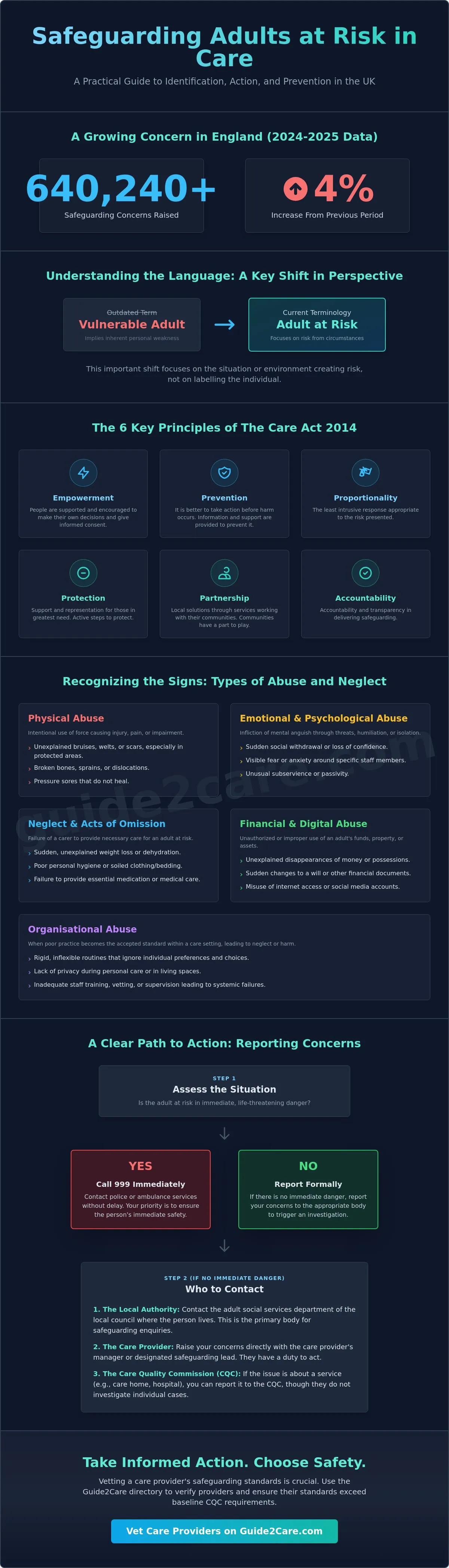
Over 640,240 safeguarding concerns were raised for vulnerable adults in England during the 2024 to 2025 period. This 4% increase highlights a growing need for vigilance and clear action. You likely feel concerned about the possibility of hidden neglect or find the web of UK legislation difficult to navigate. This is a common challenge for families and professionals alike. This guide simplifies the process of safeguarding vulnerable adults in care by providing direct, actionable steps to ensure safety.
Learn how to identify specific signs of harm and understand legal rights under the Care Act 2014. We explain the latest NHS Safeguarding Accountability and Assurance Framework for 2026 and the six key principles that must guide every care setting. You will gain a practical framework for vetting providers and clear instructions on how to report concerns. Use this resource to move from uncertainty to informed action and build a culture of transparency in any care environment.
Key Takeaways
- Identify the transition from "vulnerable adult" to "adult at risk" to better navigate current legal protections.
- Recognise specific physical and psychological indicators of neglect, such as failures in providing basic nutrition or medication.
- Use the Guide2Care directory to vet providers and verify if their safeguarding standards exceed baseline CQC requirements.
- Master the process for safeguarding vulnerable adults in care by distinguishing between immediate emergency actions and internal reporting protocols.
- Understand the legal duties of local authorities and care providers under the primary framework of the Care Act 2014.
What is Safeguarding Vulnerable Adults in Care?
Safeguarding is the essential framework that protects an individual's right to live in safety, free from abuse and neglect. It involves people and organisations working together to prevent both the risk and experience of maltreatment. To understand the broader context, you can research what is safeguarding in the UK. Effective safeguarding vulnerable adults in care ensures that their wellbeing is promoted throughout every interaction with health and social services.
To better understand this concept, watch this helpful video:
The sector has moved away from the term "vulnerable adult" in favour of "adult at risk". This change reflects that vulnerability isn't an inherent trait of the person. Instead, it's often a result of their circumstances or the environment they're in. This shift focuses on the risk factors rather than labelling the individual. Safeguarding stands as the cornerstone of the UK health and social care sector because it guarantees that care is not just medical or physical, but also protective.
Individual safeguarding duties focus on the specific needs and choices of the person receiving care. Professionals must listen to the adult's wishes and act accordingly. Organisational responsibilities involve creating a culture of transparency and safety. This includes robust vetting, clear reporting lines, and regular staff training to prevent systemic failures.
The Core Objectives of Safeguarding
- Stop abuse and neglect: Use proactive monitoring and high quality care standards to prevent harm before it occurs.
- Promote individual wellbeing: Incorporate the adult's views and feelings into every care decision.
- Empower individuals: Provide clear information to help people protect themselves and make informed choices about their safety.
Who is Considered an "Adult at Risk"?
An adult at risk is someone aged 18 or over who has care and support needs. These individuals are often unable to protect themselves from harm or exploitation due to those needs. Situational factors like physical disability, learning difficulties, or mental health conditions impact risk levels significantly. It's vital to recognise that vulnerability is often temporary or context dependent. A person might be at risk during a period of illness or while transitioning between care providers, rather than having a fixed trait of vulnerability.
Identifying the Different Types of Abuse and Neglect
Recognising the signs of harm is the first step in effective safeguarding vulnerable adults in care. Abuse isn't always a single, violent event. It often manifests as a series of subtle changes or recurring issues. Focus on noticing patterns of behaviour or physical condition rather than dismissing isolated incidents. Understanding the legal definitions provided in The Care Act 2014 helps you identify when a situation requires formal intervention.
Neglect is a common risk. It occurs when a provider fails to meet an adult's basic needs, such as providing adequate food, hydration, or essential medication. Organisational abuse is equally critical to identify. This happens when poor practice becomes the accepted standard within a care setting. Examples include rigid routines that ignore individual choice or a lack of privacy during personal care. If you notice systemic failures, it's time to evaluate alternative care providers that prioritise transparency.
Physical and Emotional Indicators
Monitor the person's physical state and social interactions closely. Look for these specific markers:
- Physical signs: Unexplained bruising in protected areas, pressure sores that don't heal, or sudden, unexplained weight loss.
- Emotional signs: Sudden social withdrawal, visible fear when specific staff members enter the room, or unusual subservience toward carers.
Passive neglect is often harder to spot than active abuse because it involves the absence of care rather than the presence of a specific harmful act.
Modern Financial and Digital Vulnerabilities
Risk now extends into the digital world. Carers or third parties may misuse an adult's personal funds, internet access, or social media accounts. Predatory grooming involves building a relationship to exploit the person, while "cuckooing" refers to criminals taking over an adult's home to facilitate illegal activity. These threats are sophisticated and require active monitoring.
Review bank statements for unusual transactions or changes in spending habits. Check digital footprints by observing new "friends" on social media or unexpected changes to account passwords. Effective safeguarding vulnerable adults in care requires a proactive approach to these modern threats. Ensure the care setting has clear policies regarding staff access to residents' personal devices and financial records. Consistent oversight helps prevent exploitation before it causes irreversible damage.
The UK Legal Framework: The Care Act 2014 and Beyond
The Care Act 2014 serves as the primary legal foundation for safeguarding vulnerable adults in care across England. It places a statutory duty on local authorities to investigate whenever there is reasonable cause to suspect an adult with care needs is at risk of neglect or abuse. The Care Quality Commission (CQC) acts as the independent regulator. It monitors, inspects, and rates care services to ensure they meet fundamental standards of safety and quality. Services failing these standards face enforcement action, ranging from warning notices to the cancellation of their registration.
The Mental Capacity Act 2005 complements this framework by addressing consent. It ensures that any decisions made on behalf of an individual who lacks capacity are in their best interests and represent the least restrictive option. This balance between protection and autonomy is central to UK law. It prevents providers from making arbitrary decisions about an individual's safety without considering their personal wishes and rights.
The Six Principles of Safeguarding
The government's statutory guidance outlines six principles that must govern all safeguarding actions. Use these principles to evaluate the quality of care provided:
- Empowerment: Support people to make their own decisions with informed consent. Example: A resident chooses their own daily schedule and provides consent for their specific care plan.
- Prevention: Take action before harm occurs. Example: Care staff receive updated 2026 training to recognise early signs of digital exploitation or financial grooming.
- Proportionality: Ensure the response is appropriate to the risk. Example: Addressing a minor, non-harmful incident through internal review rather than unnecessary police involvement.
- Protection: Provide support for those in greatest need. Example: Implementing a specific, documented safety plan for a resident who has been targeted by external scams.
- Partnership: Work across different services. Example: The care home manager coordinates with the local GP and social workers to share vital risk information.
- Accountability: Ensure transparency in safeguarding practice and reporting lines. Example: Clear digital logbooks ensure every concern is recorded and tracked via the Strategic Data Collection Service (SDCS).
Role of the Safeguarding Adults Board (SAB)
Local authorities lead the multi-agency response through the Safeguarding Adults Board. This board includes statutory members from the police and the NHS Integrated Care Boards (ICBs). Their primary goal is to help and protect adults in its area by coordinating local safeguarding strategies. This partnership ensures that no single agency works in isolation when a risk is identified.
SABs have a statutory duty to conduct Safeguarding Adult Reviews (SARs). These reviews are mandatory when an adult dies or suffers serious harm, and there's a concern that agencies could've worked together more effectively. By June 3, 2026, local authorities must submit their 2025 to 2026 data to the national collection. This data helps identify regional trends and ensures that lessons are learned to prevent future incidents across the sector.
How to Evaluate a Care Provider’s Safeguarding Standards
Selecting a care setting requires more than a surface-level review of marketing materials. Use the Guide2Care directory to begin your search by filtering providers based on specific service types and locations. This platform allows you to compare multiple facilities side-by-side. When assessing safeguarding vulnerable adults in care, you must look beyond the basic administrative records. A "Safe" rating from the Care Quality Commission (CQC) is a necessary baseline, but it isn't a permanent guarantee of safety. These inspections occur at specific intervals, and the quality of care can fluctuate between visits. Always check the date of the most recent inspection report to ensure the data is current.
Staffing levels provide a direct insight into a home's safety culture. There's a clear correlation between staff-to-resident ratios and positive safeguarding outcomes. Low staffing often leads to neglect by omission, where essential needs like hydration or repositioning are missed because staff are overwhelmed. Ask for the current staffing rota and verify how many qualified nurses or senior carers are on duty during night shifts. A facility that consistently relies on agency staff may struggle with continuity of care, which increases the risk of missed safeguarding triggers. Search our directory of care providers to find facilities that maintain transparent staffing and safety records.
Questions to Ask the Registered Manager
Schedule a meeting with the Registered Manager to gauge their commitment to transparency. Use these direct questions to test their protocols:
- "How do you handle a safeguarding concern raised by a staff member?" The manager should describe a clear, immediate reporting line to the local authority, not just an internal note.
- "What is your policy on whistleblowing and how are staff protected?" A safe environment encourages staff to report poor practice without fear of losing their jobs.
- "Can you show me how you've improved following a past incident?" Avoid providers that claim to have zero incidents. A proactive manager is transparent about past challenges and can demonstrate the specific changes made to prevent recurrence.
Red Flags During a Care Home Visit
Physical visits are the most effective way to spot hidden risks. Pay close attention to the sensory environment and staff behaviour. Observe if staff interactions are rushed, dismissive, or overly controlling. Carers should speak to residents with dignity, not treat them as tasks to be completed. Check the physical environment for cleanliness and lighting. Ensure there are no unauthorised restrictive barriers, such as locked communal doors that prevent movement without a legal Deprivation of Liberty Safeguards (DoLS) authorisation. An atmosphere of heavy silence or residents who appear fearful and disengaged often indicates a culture of emotional neglect.
Taking Action: How to Report Safeguarding Concerns
Action must be immediate when you suspect harm. Distinguish between an emergency and a non-emergency concern to ensure the correct authorities respond. Call 999 if a crime is in progress, if there is an immediate threat to life, or if an adult requires urgent medical attention. For all other situations, contact the Local Authority Safeguarding Team in the area where the care is provided. They hold the statutory responsibility for investigating reports and coordinating protective measures for safeguarding vulnerable adults in care.
Every UK care facility must maintain a clear internal reporting procedure. This usually involves notifying a designated safeguarding lead or the registered manager. However, the Care Quality Commission (CQC) plays a different role. The CQC monitors and inspects providers to ensure they meet safety standards, but they do not investigate individual allegations of abuse or neglect. Report your concerns to the CQC to help them build a profile of the provider's performance, but always contact the local council for a direct investigation into a specific incident.
Step-by-Step Reporting Guide
- Step 1: Ensure immediate safety. Move the person away from the source of harm if possible. Seek medical intervention for any visible injuries or signs of distress.
- Step 2: Record factual observations. Write down exactly what you saw or heard. Include specific times, dates, and the names of anyone involved. Avoid including personal opinions or assumptions. Focus on physical marks, changes in behaviour, or specific statements made by the adult at risk.
- Step 3: Notify the service manager. Inform the manager of the care setting immediately. If the manager is implicated in the concern or has failed to act on previous reports, bypass them and go directly to the local authority.
Advocacy and Whistleblowing
Individuals who lack the mental capacity to represent themselves have specific rights. If there is no family member or friend to act on their behalf, they are entitled to an Independent Mental Capacity Advocate (IMCA). This advocate ensures the person's wishes are considered during the safeguarding process. Advocacy is a vital component of safeguarding vulnerable adults in care, as it prevents individuals from being excluded from decisions about their own safety.
Care staff have legal protections when they report poor practice. The Public Interest Disclosure Act protects whistleblowers from being treated unfairly or losing their jobs after raising a genuine concern. Staff should follow their employer's whistleblowing policy but can contact the CQC or the local authority directly if they feel the internal response is inadequate. If a facility's culture prevents transparent reporting, use the Guide2Care directory to find alternative, safer providers with proven track records of accountability.
Establishing a Safe Care Environment
Proactive oversight is the most effective tool for safeguarding vulnerable adults in care. You now have the practical framework required to identify various forms of harm, including modern digital and financial exploitation. Use the six principles of the Care Act 2014 to evaluate any care setting. Remember that a CQC rating is a baseline; consistent monitoring and direct questioning of managers remain essential for ongoing safety. Clear reporting procedures ensure that concerns reach the correct authorities without delay. Effective advocacy protects those who can't speak for themselves.
Access reliable information to make informed decisions for your family. Find and compare safe, CQC-rated care providers on Guide2Care. Our comprehensive UK-wide directory provides real-time CQC rating data and expert resources for choosing care. These tools simplify the search process and provide the transparency needed to select a high-quality provider. Use these resources to build a secure and transparent care plan today. You have the knowledge to ensure a safe environment.
Frequently Asked Questions
What are the 5 Rs of safeguarding in care?
The 5 Rs are Recognise, Respond, Record, Report, and Refer. These steps provide a structured approach for staff and families to manage concerns systematically. Recognising signs of abuse is the first step, followed by an immediate response to ensure safety. Accurate recording of facts and reporting to the designated lead ensures the concern is referred to the local authority for a formal investigation.
Can I report a safeguarding concern anonymously?
You can report a safeguarding concern anonymously to both the local authority and the Care Quality Commission. While anonymous reports are fully considered, providing your contact details allows investigators to request additional information if the case becomes complex. Many local authorities use secure online portals for these submissions to protect your identity while maintaining a clear audit trail for the investigation.
What is the difference between safeguarding and protection?
Safeguarding is the proactive framework used to prevent harm, while protection is the reactive response to a specific risk. Safeguarding vulnerable adults in care involves building a culture of safety and transparency to stop abuse before it happens. Protection refers to the specific actions taken under Section 42 of the Care Act 2014 when an adult is already experiencing or at risk of harm.
Who is responsible for safeguarding in a care home?
Every staff member, volunteer, and visitor in a care home shares the responsibility for safeguarding. However, the Registered Manager holds the legal accountability for maintaining safety standards and reporting incidents to the local authority. The local council also has a statutory role in leading investigations and coordinating multi-agency support from the NHS and police to protect the individual's wellbeing.
What happens after a safeguarding alert is raised?
The local authority first assesses the alert to determine if it meets the criteria for a Section 42 enquiry. If it does, they gather evidence from health professionals, the police, and the care provider. In 2024 to 2025, an estimated 185,270 safeguarding enquiries were started in England. The process concludes with a formal decision on whether the risk has been removed, reduced, or remains.
Is poor hydration considered a safeguarding issue?
Poor hydration is classified as neglect and is a serious safeguarding issue. Neglect and acts of omission were the most common risk types in 2024 to 2025, representing 40.8% of all concluded enquiries. Failing to provide adequate fluids is a breach of fundamental care standards and requires an immediate report to the local authority safeguarding team to prevent further physical harm.
How do I find my local council’s safeguarding team?
Find your local council's safeguarding team by visiting their official website and searching for the "Adult Social Care" or "Safeguarding" section. Most councils provide a direct telephone number for their Safeguarding Adults Board or a secure online reporting form. You don't need the person's consent to raise a concern if you believe they are at immediate risk of harm or exploitation.
Does the CQC investigate individual abuse claims?
The CQC doesn't investigate individual claims of abuse or neglect. Instead, they use your report to monitor the provider's overall safety and determine if an unannounced inspection is required. Safeguarding vulnerable adults in care is primarily managed by local authorities and the police, who have the legal powers to investigate specific individuals and conduct criminal proceedings when necessary.