Challenges of Caring for Elderly Parents at Home: A Practical Guide

Caring for an ageing parent at home is a significant undertaking. While rewarding, the practical and emotional challenges of caring for elderly parents at home are substantial. Many family carers experience burnout, struggle with complex feelings like guilt or resentment, and face disagreements over responsibilities. These pressures are a normal part of the carer journey, and recognising them is the first step toward finding effective solutions.
This practical guide provides the information you need to navigate this complex situation. We will clearly define the most common hurdles-from managing finances and legal duties to protecting your own well-being. You will discover actionable strategies to reduce stress, understand UK funding options, and locate the right external support services. Our goal is to equip you with the knowledge to make informed decisions and build a sustainable care plan for you and your parent.
The Emotional Toll: Navigating the Complex Feelings of Caregiving
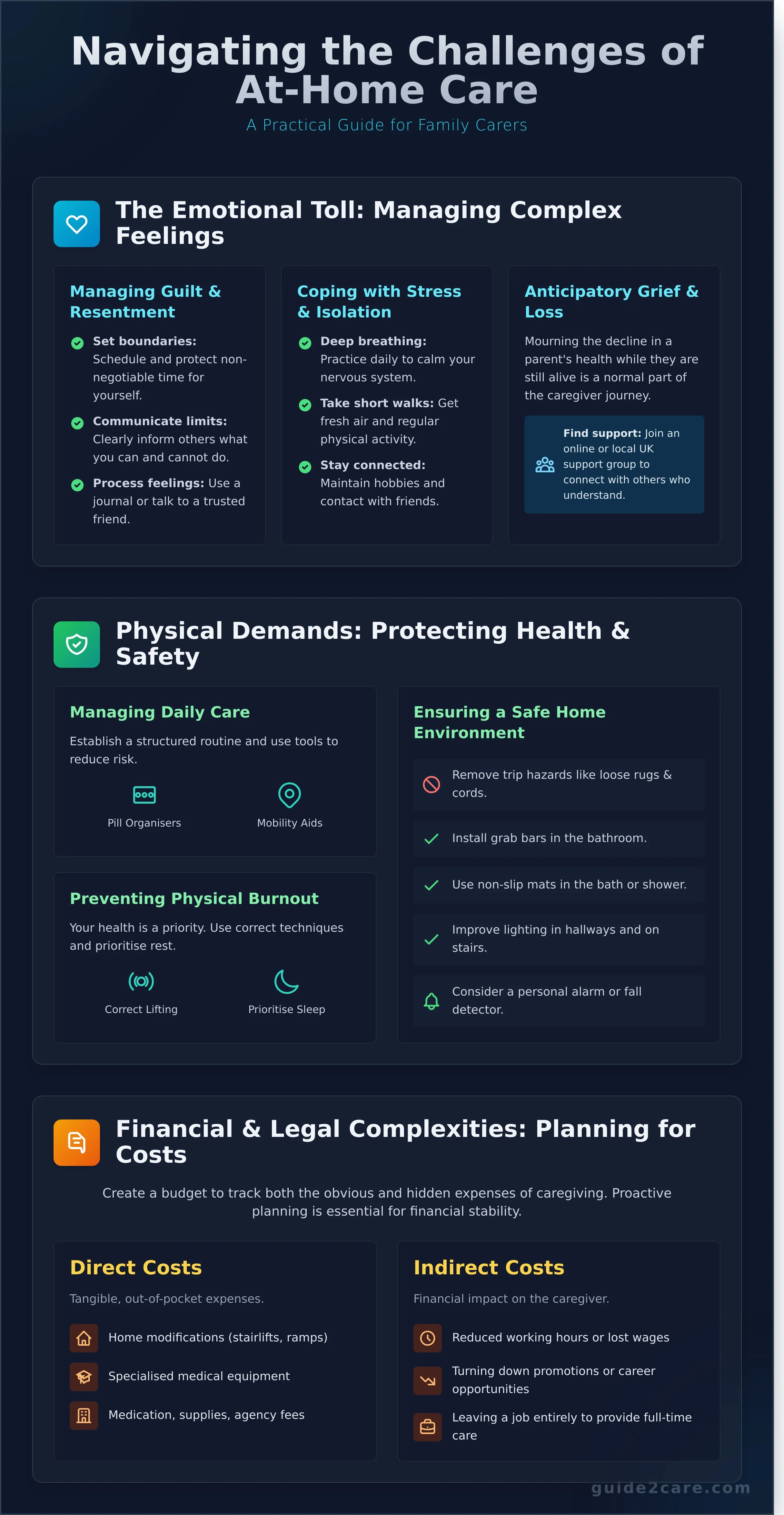
Caring for an elderly parent is an emotional process with significant highs and lows. Many people experience a 'role reversal', where they take on parental responsibilities for their own mother or father. This shift is one of the primary challenges of caring for elderly parents at home and can cause complex feelings. Emotions such as guilt, resentment, and anxiety are normal responses to the demands of caregiving. It is important to acknowledge these feelings as valid.
This video offers practical advice on managing the stress of this role:
Managing Guilt and Resentment
Guilt is often triggered by losing patience or feeling you are not doing enough. Resentment can build when your own needs are consistently ignored. Use these strategies to manage these emotions:
- Set personal boundaries. Schedule non-negotiable time for yourself and protect it.
- Communicate your limits. Inform other family members what you can and cannot do.
- Process your feelings. Use a journal to write down your thoughts or speak with a trusted friend.
Coping with Stress and Isolation
The constant demands of caregiving can reduce time for social activities, which often leads to isolation. It is vital to manage stress and stay connected. Integrate simple, effective techniques into your daily routine:
- Practice deep breathing for a few minutes each day to calm your nervous system.
- Take short, regular walks to get fresh air and physical activity.
- Maintain hobbies and make time for regular contact with friends, even if it is just a brief phone call.
Anticipatory Grief and Loss
Anticipatory grief is the process of mourning the decline in a parent's health and abilities while they are still alive. This experience can cause persistent sadness and significantly impact your mental wellbeing. Understanding this is a recognised aspect of Caregiver burden can help normalise the experience. Sharing your feelings is crucial. Consider joining a support group, either online or in your local UK community, to connect with other carers who understand.
Physical Demands: Protecting Your Health and Your Parent's Safety
The physical challenges of caring for elderly parents at home are significant and often underestimated. Daily tasks such as lifting, transferring, and providing personal assistance place considerable strain on your body. This physical work, combined with the constant vigilance required, is a primary contributor to caregiver stress. These demands are a key part of the wider financial and practical challenges of caregiving that can lead to burnout if not managed effectively. Protecting your own health is essential to providing safe and sustainable care.
Managing Daily Personal and Medical Care
Assisting with hygiene, mobility, and medication is a core part of domiciliary care. To manage these tasks safely, establish a structured daily routine. This creates predictability for your parent and ensures critical tasks are not missed. Use practical tools to reduce risk and error. A dosette box or pill organiser can prevent medication mistakes, while mobility aids like walking frames or a stairlift can improve your parent's independence and reduce physical strain on you.
Ensuring a Safe Home Environment
A safe home is critical to preventing falls and injuries. You must identify and mitigate common household hazards. Simple modifications can make a significant difference. Consider the following actions:
- Remove trip hazards like loose rugs and electrical cords.
- Install grab bars in the bathroom and toilet.
- Use non-slip mats in the bath or shower.
- Improve lighting in hallways, on stairs, and in main living areas.
Technology such as a personal alarm or fall detector provides an essential safety net, but being personally prepared for an emergency is just as important. For caregivers, undertaking certified training, like the courses offered by Aspire First Aid Guide Training Corp, can provide the critical skills needed to respond confidently to a medical event.
Preventing Physical Burnout
Your physical health is a priority. Neglecting it leads to burnout, which compromises your ability to provide care. Always use correct lifting and transferring techniques to prevent back injuries; ask a GP or occupational therapist for guidance if you are unsure. Schedule and attend your own health check-ups. Chronic lack of sleep is another serious risk, as it impairs judgment and reaction times. Prioritise rest to ensure you can make safe decisions and maintain your own well-being.
Financial and Legal Complexities: Planning for the Costs of Care
Managing finances and legal paperwork are two of the most significant challenges of caring for elderly parents at home. The financial strain can be substantial, impacting both your parents' savings and your own. This issue is so widespread that governments worldwide provide support; for example, the National Family Caregiver Support Program in the US offers resources for family caregivers. In the UK, a specific set of benefits and legal structures exists to help. Proactive planning and open conversations with parents and siblings are essential to navigate these complexities and ensure financial stability for everyone involved.
Understanding the Costs of At-Home Care
The cost of care extends beyond obvious medical bills. It is vital to account for both direct and indirect expenses. Create a simple budget to track these costs and gain a clear financial picture.
- Direct Costs: These include one-off home modifications like stairlifts or ramps, specialised medical equipment, recurring costs for medication and supplies, and fees for domiciliary care agencies.
- Indirect Costs: These represent the financial impact on the caregiver. This can mean reduced working hours, turning down promotions, or leaving a job entirely, which affects your income, savings, and pension contributions.
Navigating UK Benefits and Funding Options
Several UK benefits can help ease the financial burden. Eligibility criteria are specific and require an assessment, so it is important to research each option thoroughly. Start by visiting official sources like Gov.uk, Age UK, or your local council's Adult Social Services department.
- Attendance Allowance: A non-means-tested benefit for people over State Pension age who need help with personal care due to illness or disability.
- Carer's Allowance: An allowance for individuals who spend at least 35 hours a week caring for someone with substantial needs.
- Council Funding: Your parent may be eligible for financial support from their local council following a needs assessment and a financial assessment.
The Importance of Legal Arrangements
Addressing legal matters early prevents difficult situations later. These arrangements ensure your parent's wishes are respected if they can no longer make decisions for themselves. For complex estates or family situations, always seek professional legal advice from a solicitor specialising in elder law.
- Lasting Power of Attorney (LPA): This legal document lets your parent appoint trusted people to make decisions on their behalf. There are two types: one for 'health and welfare' and another for 'property and financial affairs'.
- Wills and Advance Directives: Ensure your parent has an up-to-date will. An Advance Decision (or 'living will') allows them to refuse specific medical treatments in the future.
Practical Challenges: Juggling Life, Family, and Care Duties
Caring for an elderly parent often becomes a second, unpaid job that must be fitted around existing commitments. The pressure to balance a career, childcare, and personal relationships with new caregiving duties is one of the most significant challenges of caring for elderly parents at home. This strain can impact your wellbeing, your marriage, and other family dynamics. Effective planning and clear communication are essential tools to manage these responsibilities.
Balancing Work and Care Responsibilities
Managing your career alongside care duties requires proactive organisation. In the UK, employees with at least 26 weeks of continuous service have the right to request flexible working arrangements. It is important to speak with your employer or HR department to understand company policies on carer’s leave or other available support. To manage your time effectively:
- Prioritise tasks: Use a simple system to identify what is urgent and important for both your job and your parent's care.
- Use shared calendars: Keep track of appointments, work deadlines, and family schedules in one place.
- Delegate where possible: Assign tasks like shopping or prescription collection to other family members or explore professional domiciliary care services.
For families sharing these responsibilities, technology can be a powerful ally. Beyond calendars, apps like Go Crew allow for real-time location sharing, making it easier to coordinate visits, see who is closest for an urgent task, and stay connected as a care team.
Communicating with Siblings and Other Family
An unequal distribution of care tasks is a common source of family conflict and resentment. To prevent this, establish open and honest communication from the outset. Schedule regular family meetings, either in person or online, to discuss your parent's needs and agree on a fair division of labour. When discussing sensitive topics, aim for clear, non-confrontational language. Frame requests around your own feelings (e.g., "I am feeling overwhelmed and need help with...") rather than making accusations.
Dealing with Challenging Behaviours
New or difficult behaviours such as aggression, confusion, or paranoia can be distressing, but they are often symptoms of an underlying medical condition like dementia or a urinary tract infection. It is vital not to take these actions personally. Instead, focus on de-escalation by speaking calmly, validating their feelings, and gently redirecting their attention. The most important step is to seek a medical diagnosis from a GP to understand the root cause and develop an appropriate care plan.
Finding Support: You Don't Have to Manage Alone
Managing the challenges of caring for elderly parents at home requires resilience, but you are not expected to do it without help. Seeking support is a sign of practical strength, not failure. It ensures you can provide consistent, high-quality care over the long term. Support benefits both you and your parent by preventing caregiver burnout and introducing new skills or companionship. A wide range of options exist, from informal help from family to structured, professional services.
Recognising When You Need Help
It is vital to assess your own well-being honestly. Ignoring the signs of burnout can impact your health and your ability to provide care. Acknowledge when you have reached your limit. Look for key indicators that you may need additional support:
- Constant Exhaustion: Feeling physically and emotionally drained, even after resting.
- Increased Irritability: Feeling unusually impatient or resentful towards your parent or others.
- Frequent Illness: A weakened immune system leading to more colds or other infections.
- Social Withdrawal: Losing interest in activities and relationships you once enjoyed.
Recognising these signs is the first step toward finding a sustainable care solution.
Exploring Home Care and Respite Options
Professional help can significantly ease the caregiving load. Domiciliary care, or home care, involves a trained carer visiting your parent's home to assist with daily tasks. This can include personal care, medication management, meal preparation, and companionship. Even a few hours of help each week can make a substantial difference.
Respite care provides a scheduled break for the primary caregiver. This can range from a few hours to several weeks, allowing you to rest, attend to personal matters, or take a holiday-perhaps even a complete change of scenery with an operator like Toty Hurghada Tours. It is a crucial tool for preventing burnout and maintaining your own health. Find local home care agencies to provide the support you need.
Utilising Local Councils and Charities
Formal support systems are available to assist you. Contact your local council and ask for a Carer's Assessment. This assessment is designed to evaluate how your caring role affects your life and to determine what support you may be eligible for, such as financial assistance or practical help. It is separate from your parent's needs assessment.
National charities are also an excellent source of information. Organisations like Age UK and Carers UK offer free advice lines, detailed guides, and information on your rights as a carer. They can also connect you with local carer support groups, where you can share experiences and gain practical advice from peers facing similar situations.
Finding the Right Support for Your Care Journey
Caring for an elderly parent is a significant commitment, impacting your emotional well-being, physical health, and financial stability. Acknowledging the full scope of the challenges of caring for elderly parents at home is the critical first step toward creating a sustainable care plan. Remember that seeking support is not a sign of failure, but a practical strategy to ensure the best possible outcome for both you and your loved one.
You do not have to manage this complex process alone. Guide2Care is here to simplify your search for the right support. Our comprehensive UK-wide directory lists vetted care providers, giving you a clear path to finding reliable help. We also provide essential, free resources on topics like choosing a provider and understanding care funding.
Take the next step with confidence. Find The Care You Need. Search our directory for home care providers in your area.
Frequently Asked Questions
How do I deal with an elderly parent who refuses outside help?
Start by understanding their specific fears, such as loss of independence or mistrust of strangers. Introduce support gradually; begin with less intrusive services like a cleaner or a meal delivery service before suggesting personal care. Involve a neutral third party, like their GP, who can recommend care from a medical standpoint. Frame the help as support for you, the caregiver, to prevent you from becoming overwhelmed, which can make it easier for them to accept.
What financial support is available for full-time family carers in the UK?
The primary financial support is Carer's Allowance, which is £81.90 a week (2024/25 rate) if you care for someone at least 35 hours a week. The person you care for must receive a qualifying disability benefit, such as Attendance Allowance or Personal Independence Payment. You may also be eligible for Carer's Credit to protect your State Pension, or a Council Tax reduction. Check your specific eligibility for all benefits on the GOV.UK website.
What are the first steps to take when you become a caregiver for a parent?
The first step is to contact your local council to request a Carer's Assessment. This official process will evaluate your needs and determine what support you are entitled to. At the same time, ensure your parent has a needs assessment from their local authority. It is also vital to check benefit eligibility for both yourself and your parent and to arrange legal authority, such as a Lasting Power of Attorney, to manage their affairs if required.
How can I avoid burnout when caring for a parent with dementia?
To avoid burnout, establish a consistent daily routine to minimise stress for your parent and yourself. Seek out respite care services from your local council or private providers to ensure you get regular breaks. Joining a local carer support group provides peer-to-peer advice and reduces feelings of isolation. Managing the challenges of caring for elderly parents at home requires you to protect your own health; do not neglect your own appointments and wellbeing.
How do I talk to my siblings about sharing care duties more fairly?
Schedule a dedicated family meeting to discuss the situation openly. Beforehand, create a comprehensive list of all caregiving tasks, including the time each one takes. This provides a clear picture of the workload. Propose a specific division of duties based on each sibling's strengths, schedule, and location. If a sibling cannot provide hands-on help, suggest they contribute financially or by managing administrative tasks like paying bills or ordering prescriptions.
What is the difference between home care and moving into a care home?
Home care, also known as domiciliary care, provides professional support to a person in their own home. This can range from 30-minute visits to 24-hour live-in care. In contrast, moving into a care home means relocating to a residential facility that provides 24/7 supervision, accommodation, meals, and organised social activities. The key difference is the environment: home care allows for greater independence, while a care home offers a structured, communal setting with constant support.